Historic Restoration & Modern Precision: The Pratt Street Rowhouse

Project Spotlight: Baltimore Rowhouse on Pratt Street

The Challenge: Navigating the "Lean" of Historic Baltimore
Baltimore’s historic Pratt Street is iconic for its 19th-century masonry, but for the modern architect, these structures are a labyrinth of undocumented changes and structural shifts. When renovating a historic rowhouse, the primary enemy is "The Lean"—the natural settling of a 100-year-old building that results in walls that aren't plumb and floors that are rarely level.
For the Baltimore Rowhouse residential project, a traditional tape-measure survey would have been fundamentally flawed. Manual measurements assume 90-degree angles and flat planes, neither of which exist in a historic rowhouse. Any design based on "assumed" geometry leads to cabinetry that doesn't fit, flooring gaps, and structural steel that must be modified on-site at a massive cost.
The ADS Solution: High-Definition LiDAR Scanning
ADS (A DCMS Network Company) deployed high-precision terrestrial LiDAR to capture the Pratt Street property. Unlike manual measuring, our 3D scanning services capture millions of data points per second, creating a "Point Cloud"—a 1:1 digital replica of the building in its current state.
By capturing the exact geometry of the masonry shell, we provided the design team with a "Single Source of Truth." We didn't just measure the rooms; we documented the thickness of the party walls, the precise slope of the floor joists, and the exact position of the existing chimney flues.
From Point Cloud to Professional As-Builts
Once the scan was complete, our engineers processed the data into detailed as-built services. We delivered:
Architectural Floor Plans: Showing the actual wall thicknesses and non-linear angles.
Reflected Ceiling Plans: Crucial for integrating modern lighting into historic plaster ceilings.
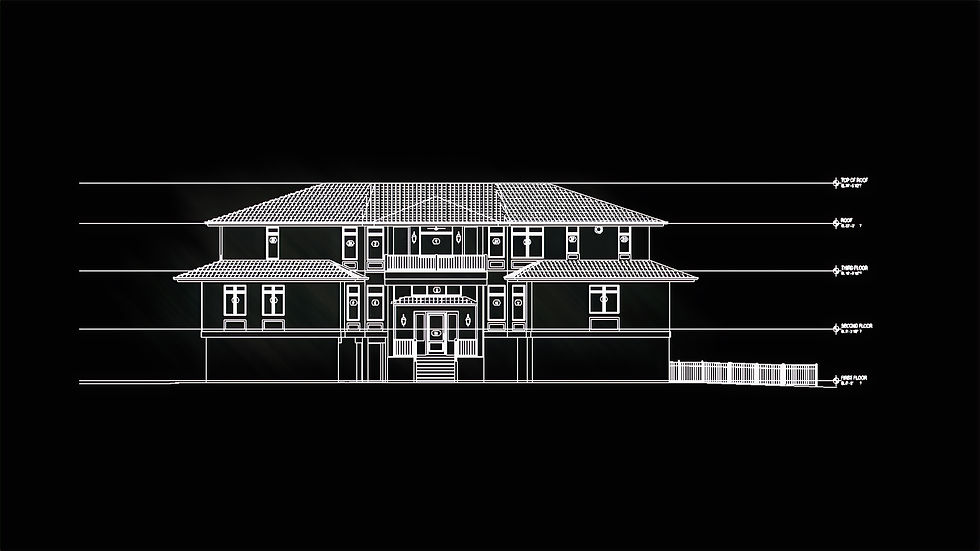
Structural Sections: Visualizing the vertical alignment of the rowhouse to ensure new loads were properly supported.

The Result: The architect was able to design a modern, high-end kitchen and a third-story addition with the confidence that every component would fit the historic shell perfectly. By investing in precision early, the client saved an estimated 15% in construction contingency costs.
Don’t let historic "surprises" ruin your budget. Get a Quote for your Baltimore project.


Comments